Honey and nutrition: health benefits and interesting facts
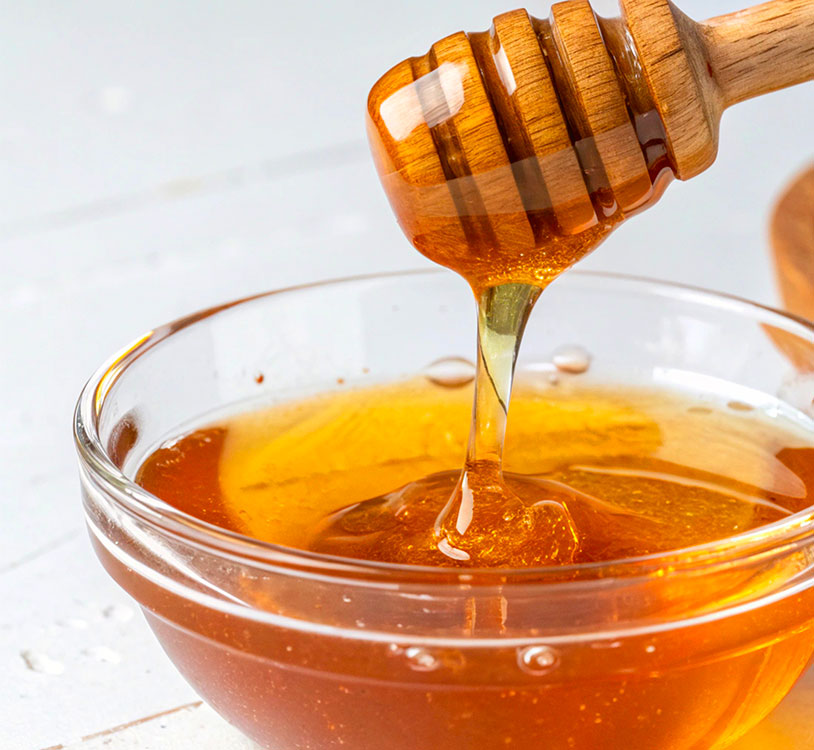
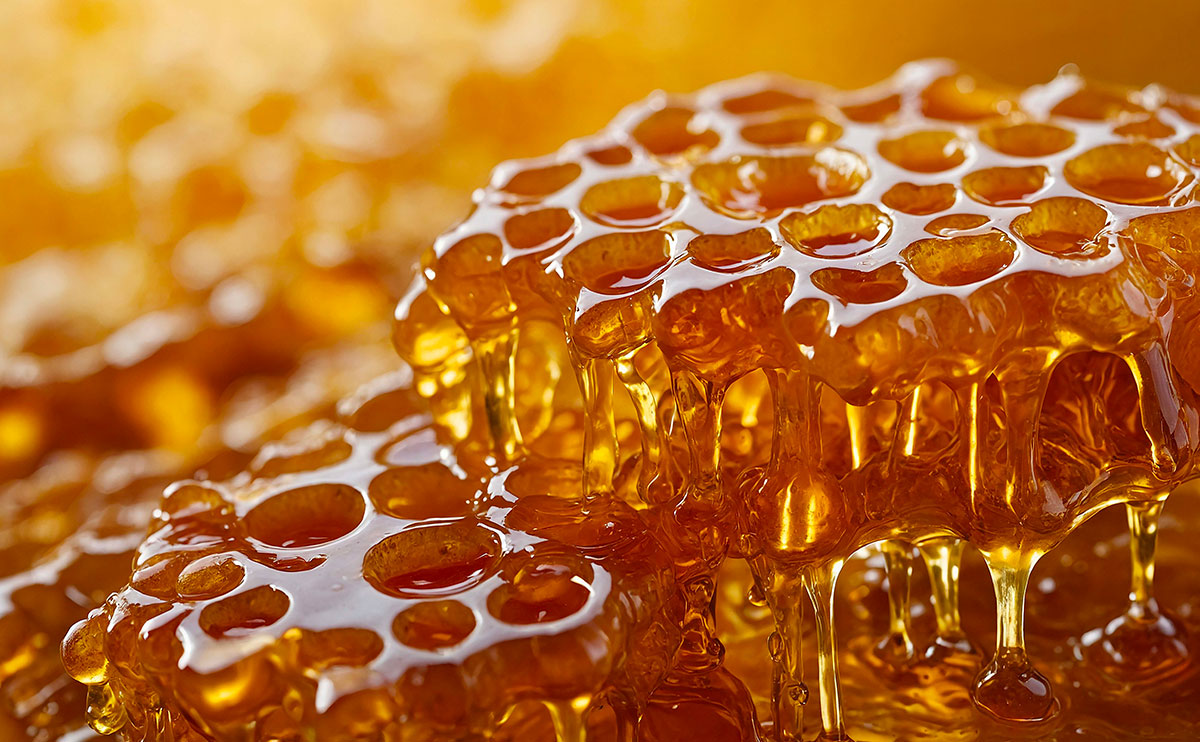
Sweet, aromatic and present in human history for millennia, honey honey It is one of the purest and most complete foods that nature has to offer.
Rich in natural sugars, enzymes, vitamins and mineral salts, represents an immediate source of energy and a valuable ally for our daily wellbeing.
Regardless of the variety, honey is naturally rich in simple carbohydrates, enzymes, phenolic compounds and other bioactive molecules with antioxidant properties. These elements, together with naturally occurring antibacterial components, give the product notable properties. antimicrobial, anti-inflammatory and immune system support.
The differences between the various types — such as acacia, chestnut or lime — derive mainly from the specific content of aromatic and phenolic compounds, but the basic nutritional value remains high in all varieties.
Thanks to its natural bioactive compounds and good bioavailability, honey is also used in phytotherapy and cosmetics, as well as in everyday nutrition.
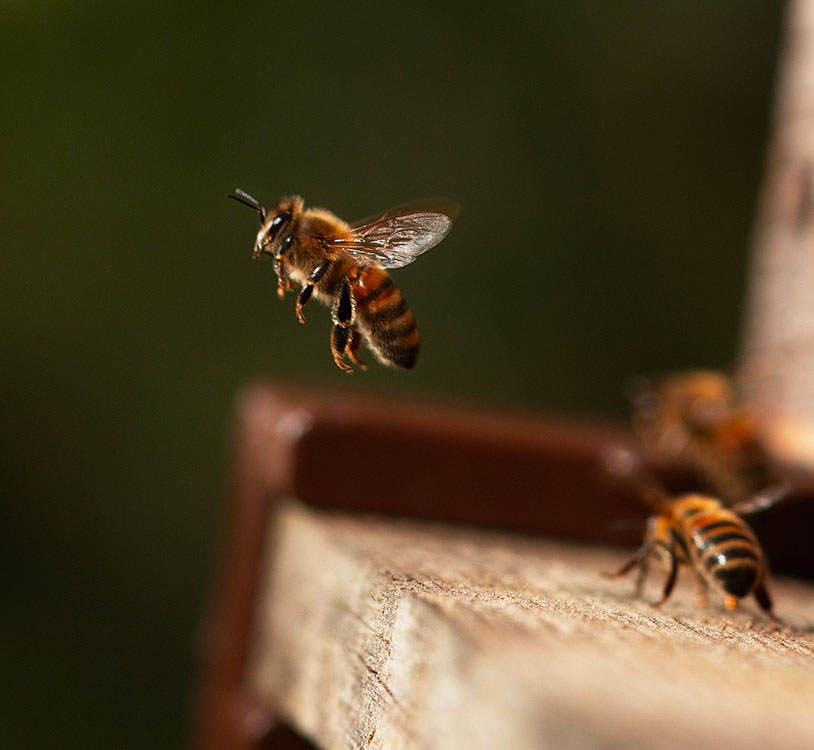
The wellbeing of beekeeping begins with the wellbeing of the bees. Proper feeding of colonies, especially during periods of nectar shortage, is essential to ensure productivity, health and longevity of the hive. Modern feeding systems, such as controlled-flow feeders and balanced syrups, help beekeepers maintain stable colonies without altering their natural balance.
Exploring the nutritional qualities of honey means gaining a better understanding of the relationship between humans and nature. It is this balance that guides the Lega philosophy: producing machinery that respects the raw material, enhancing the work of bees and those who care for them.
No account yet?
Create an Account